

Tedarikçiler, teknik özelliklerin gerçek gereksinimlerle eşleştirilmesine yardımcı olur.S: Dolaplar gelecekteki yeniden yapılandırmalara uygun şekilde tasarlanabilir mi?A: Evet. Modern modüler
metal dolap montajı Bu platformlar, dolap değişimine gerek kalmadan iç mekanın yeniden yapılandırılmasına olanak tanır. Bu tasarımlar, standartlaştırılmış montaj düzenleri ve değiştirilebilir aksesuarlar kullanır; bu da kuruluşların iş akışları değiştikçe depolama çözümlerini uyarlamalarına olanak tanır ve uzun vadeli maliyetleri azaltmada önemli bir faktördür.Kabine Oluşturmada Gelecekteki Eğilimler
Modüler ve Yapılandırılabilir Platformlar
Uyarlanabilir altyapıya doğru yönelim, talebi artırıyor
metal dolap montajı Yeniden yapılandırmayı destekleyen sistemler. Üreticiler giderek daha kapsamlı aksesuar ekosistemlerine sahip temel kabin platformları sunarak müşterilerin bir kez satın alıp zaman içinde uyarlamalarını sağlıyor. Bu yaklaşım, atık miktarını azaltarak ve ürün ömrünü uzatarak döngüsel ekonomi ilkeleriyle uyumludur.Otomatik Montaj SüreçleriRobotik ve görüntü işleme sistemleri, tekrarlayan montaj görevlerini giderek daha fazla üstlenerek tutarlılığı artırıyor ve maliyetleri düşürüyor. İşbirlikçi robotlar, karar verme yeteneği gerektiren karmaşık işlemlerde insan montajcılarla birlikte çalışırken, otomatik yönlendirmeli araçlar da iş istasyonları arasında bileşenleri taşıyor.
.
Dijital Entegrasyon ve Akıllı DolaplarGömülü sensörler ve bağlantı özellikleri, monte edilmiş kabinleri akıllı varlıklara dönüştürüyor. Sıcaklık izleme, erişim kaydı ve öngörücü bakım uyarıları, özellikle kesintisiz çalışma süresinin kritik olduğu veri merkezi ve endüstriyel uygulamalarda entegre özellikler haline geliyor., distributing weight evenly and preventing sagging over years of use . Flanged door designs enhance rigidity while maintaining clean exterior lines.
Internal Component Integration
The functional value of a cabinet depends largely on its internal configuration. Modern metal cabinet assembly incorporates versatile mounting systems such as louvered panels that support interchangeable accessories—shelves, drawers, bins, rollout work surfaces, and more . This modular approach enables customers to reconfigure interiors as needs evolve without replacing the entire cabinet, significantly extending useful life and reducing total cost of ownership .
Pre-threaded mounting rails, cable management channels, and equipment brackets must be positioned with precision—typically within ±1mm tolerances—to ensure compatibility with standardized 19-inch rack equipment or custom component layouts.
Surface Finishing and Protection
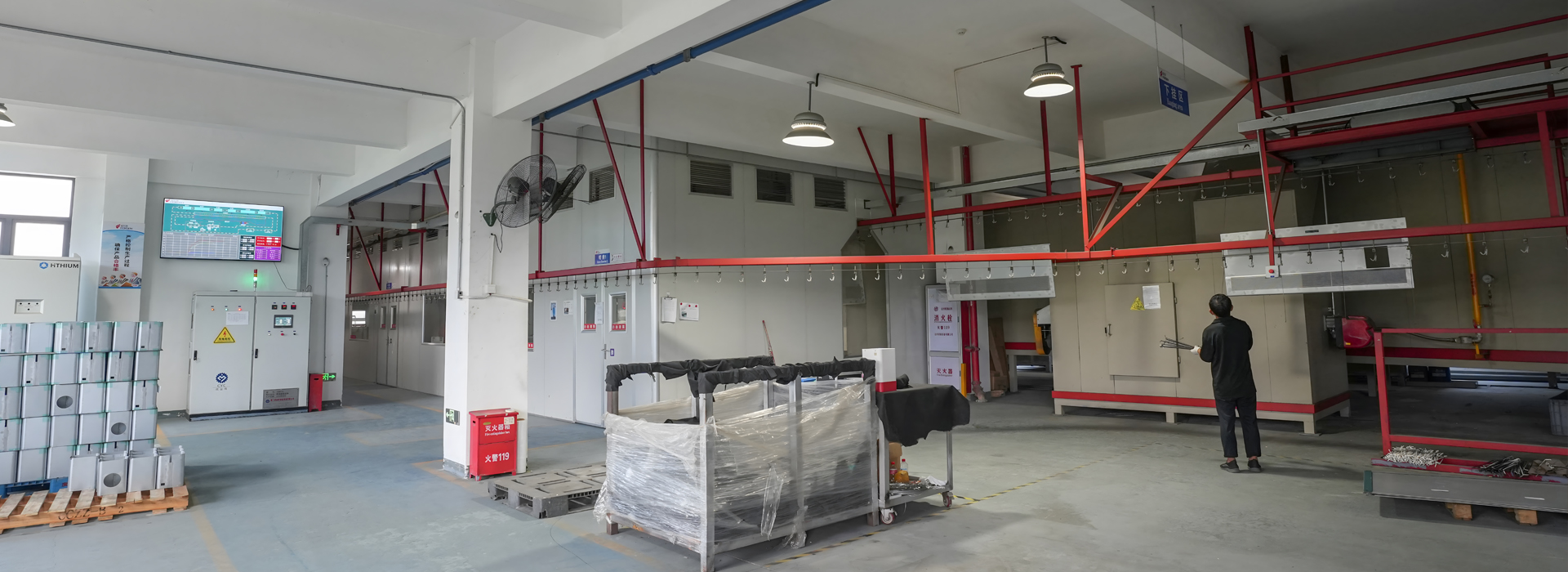
While often applied before final assembly, surface finishing is integral to the overall quality of metal cabinet assembly. Powder coating remains the industry standard, providing durable, corrosion-resistant finishes that withstand demanding environments. Multi-layer systems incorporating cathodic electrodeposition primers offer enhanced protection, achieving 1,000+ hours of salt spray resistance for outdoor applications . For food processing or pharmaceutical environments, antimicrobial coatings and seamless surfaces prevent bacterial harborage.
Quality Control and Testing
Dimensional Verification
Precision measurement ensures every metal cabinet assembly meets specifications. Coordinate measuring machines (CMM) and laser scanning verify critical dimensions, while go/no-go gauges confirm door and drawer operation . In high-volume production, automated vision systems inspect each unit at key assembly stages, flagging deviations before final assembly.
Load Testing
Structural integrity is verified through load testing. Shelves and mounting rails are subjected to rated capacities—often 50-100% above specified limits—to ensure safety margins. Complete cabinet assemblies may undergo dynamic testing simulating vibration during transport or seismic events.
Environmental Verification
For cabinets destined for demanding environments, metal cabinet assembly includes ingress protection testing. Sealed units are subjected to water spray and dust chambers to verify IP ratings . This testing ensures that assembled cabinets deliver the environmental protection their designs promise.
Industry Standards and Compliance
Metal cabinet assembly must conform to numerous international standards governing safety, performance, and interoperability. Key standards include:
IEC 61439 for low-voltage switchgear assemblies, specifying structural and thermal requirements
UL 50 for electrical equipment enclosures, covering construction and performance in North America
NEMA 250 defining enclosure types for specific environmental conditions
ISO 9001 quality management systems, ensuring consistent assembly processes
Compliance with these standards requires documented processes, trained personnel, and regular audits—hallmarks of professional metal cabinet assembly operations.
Applications Across Industries
Industrial Automation and Control
Manufacturing facilities rely on assembled cabinets to house PLCs, motor drives, and control systems. These metal cabinet assembly applications demand precise cutouts for displays and controls, robust construction to withstand vibration, and effective thermal management for heat-generating electronics.
Data Centers and Telecommunications
Server racks and network cabinets represent a specialized segment of metal cabinet assembly. These units require exceptional dimensional accuracy to align with standardized equipment, high-density cable management, and optimized airflow for cooling efficiency. Modular designs allow rapid reconfiguration as IT needs evolve .
Energy Distribution and Storage
Utility and renewable energy applications demand cabinets that protect equipment in outdoor environments. Metal cabinet assembly for these applications emphasizes corrosion resistance, thermal management for batteries and power electronics, and secure access controls. The growing battery energy storage market has driven demand for specialized enclosures combining structural strength with thermal and fire safety features .
Commercial and Retail Environments
Point-of-sale systems, digital signage, and interactive kiosks require aesthetically pleasing yet durable enclosures. Metal cabinet assembly for commercial applications balances industrial-grade protection with design flexibility, accommodating various finishes and branding elements.
Frequently Asked Questions
Q: What is the difference between sheet metal fabrication and metal cabinet assembly?
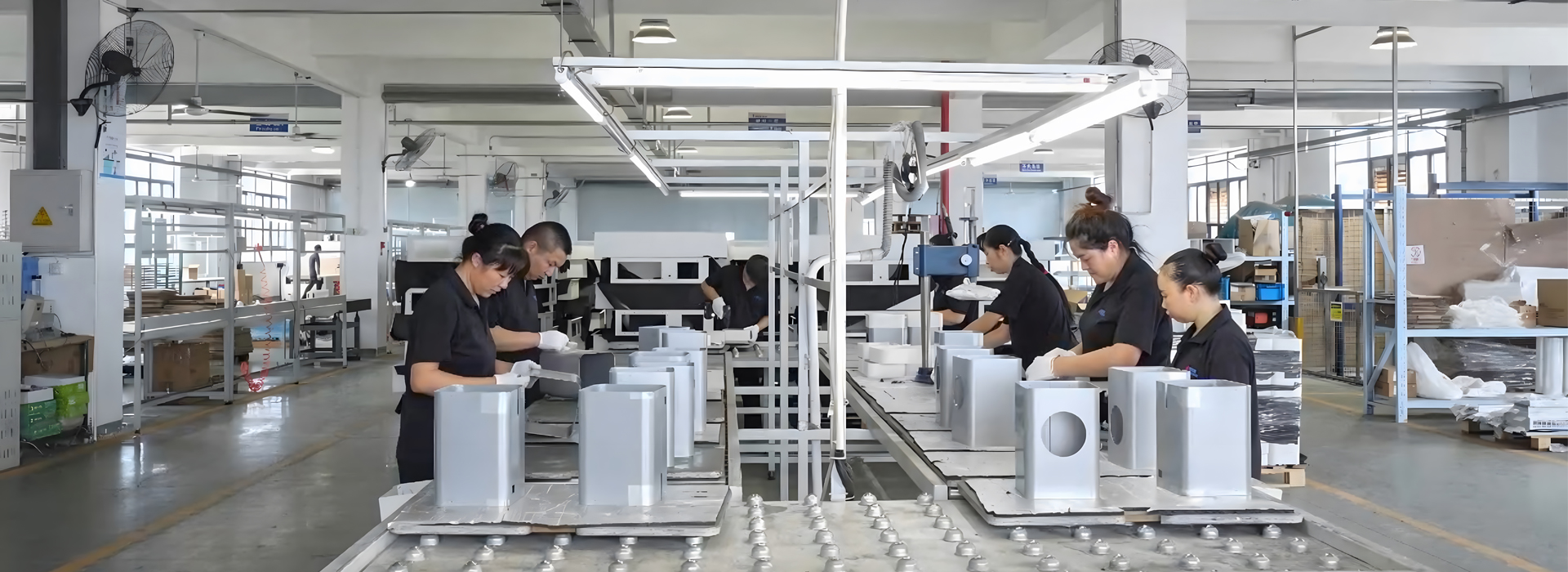
A: Sheet metal fabrication produces individual components—cutting, bending, and forming metal into specific shapes. Metal cabinet assembly takes those fabricated components and joins them together, installs internal accessories, and creates a complete functional unit. Assembly adds significant value by integrating multiple parts into a ready-to-use solution.
Q: How important is weld quality in cabinet assembly?
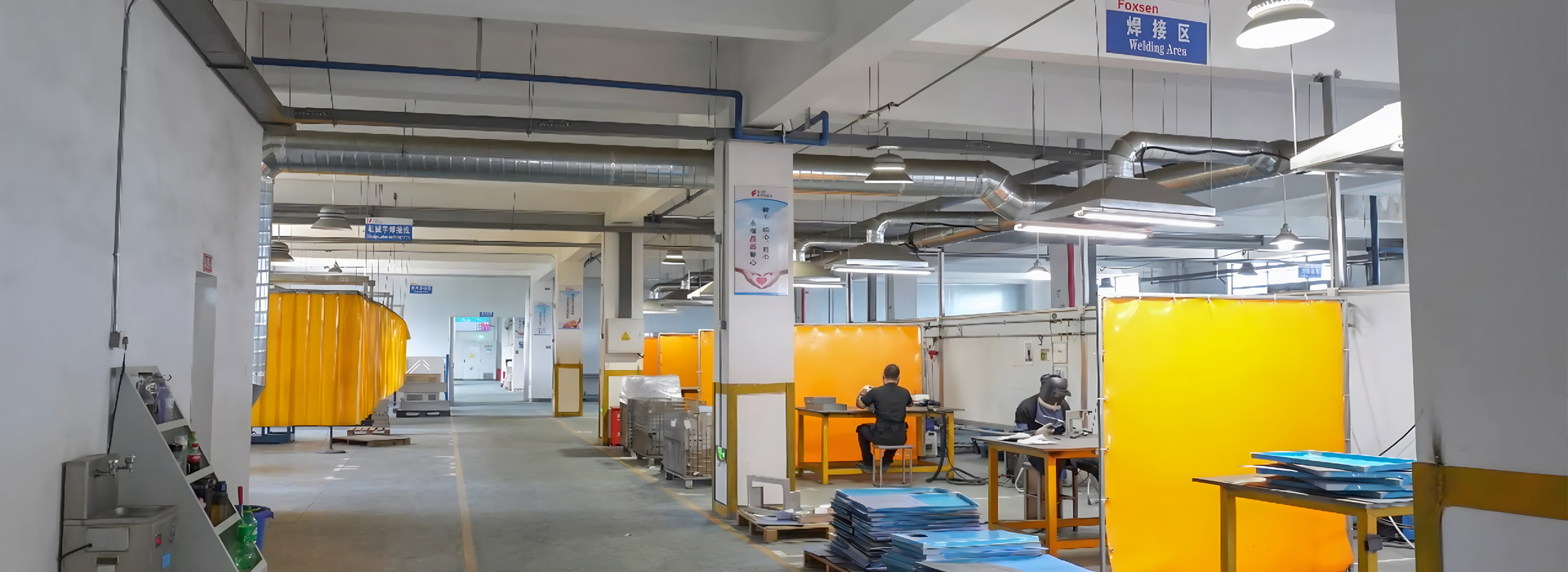
A: Weld quality is fundamental to structural integrity and longevity. Premium welds ensure joints maintain strength over years of use, prevent water ingress in sealed cabinets, and maintain dimensional accuracy for proper component fit . Poor welds can lead to premature failure, misalignment, and compromised protection ratings.
Q: What are louvered panels and why are they important?
A: Louvered panels feature evenly spaced slots that accept various accessories without tools. In metal cabinet assembly, these panels on doors and interior walls enable users to add, remove, or rearrange shelves, drawers, and bins as storage needs change—extending cabinet useful life and reducing replacement costs .
Q: How do I specify the right cabinet assembly for my application?
A: Consider four key factors: (1) environmental conditions requiring specific materials and IP ratings, (2) load requirements determining gauge thickness and reinforcement, (3) internal configuration needs—shelves, drawers, mounting systems, and (4) compliance standards for your industry and region. Consulting with experienced metal cabinet assembly providers helps match specifications to actual requirements.
Q: Can cabinets be designed for future reconfiguration?
A: Yes. Modern modular metal cabinet assembly platforms allow interior reconfiguration without cabinet replacement . These designs use standardized mounting patterns and interchangeable accessories, enabling organizations to adapt storage as workflows change—a key factor in reducing long-term costs.
Future Trends in Cabinet Assembly
Modular and Configurable Platforms
The shift toward adaptable infrastructure drives demand for metal cabinet assembly systems that support reconfiguration. Manufacturers increasingly offer core cabinet platforms with extensive accessory ecosystems, enabling customers to "buy once, adapt over time" . This approach aligns with circular economy principles, reducing waste and extending product lifecycles.
Automated Assembly Processes
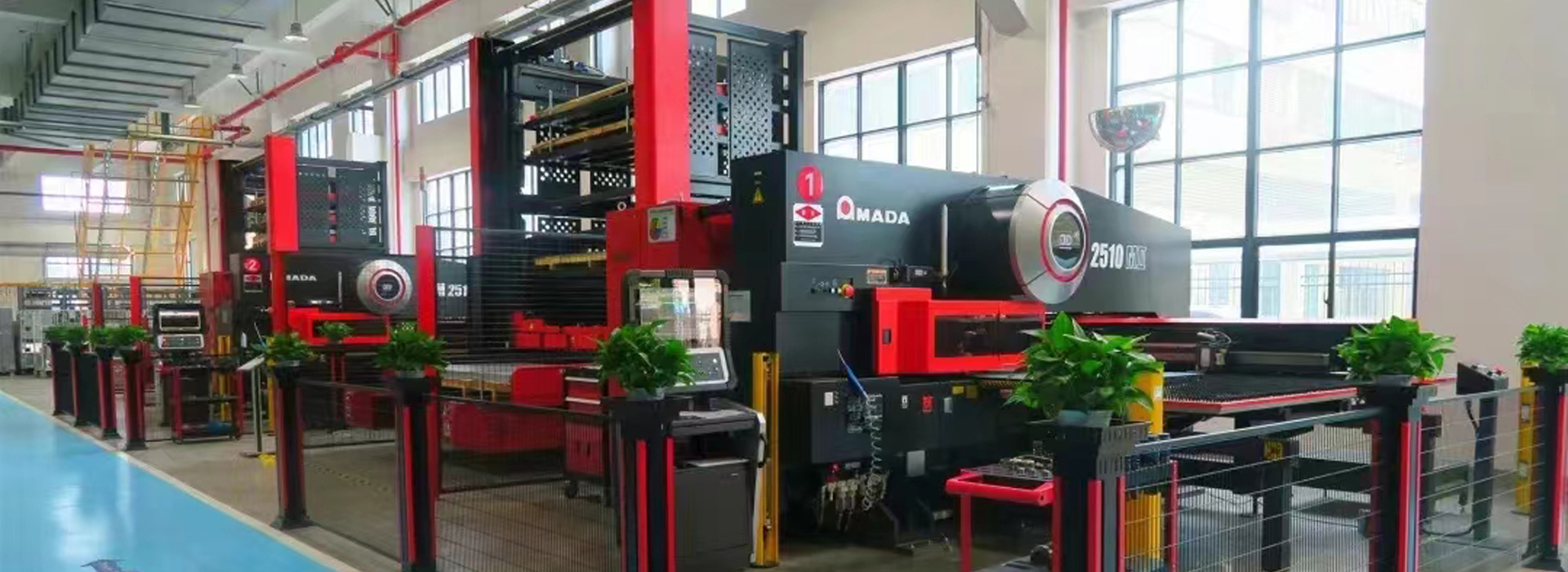
Robotics and vision systems increasingly handle repetitive assembly tasks, improving consistency and reducing costs. Collaborative robots work alongside human assemblers on complex operations requiring judgment, while automated guided vehicles transport components between workstations .
Digital Integration and Smart Cabinets
Embedded sensors and connectivity transform assembled cabinets into intelligent assets. Temperature monitoring, access logging, and predictive maintenance alerts become integrated features, particularly in data center and industrial applications where uptime is critical.
metal dolap montajı